


Especificación
| Nombre del producto | Sistema solar híbrido de 100-150 kW | ||
| Modelo | SP-100KW-HY | SP-120KW-HY | SP-150KW-HY |
| Panel solar | 620W x 162pcs | 620W x 194pcs | 620 W x 242 piezas |
| Capacidad de la batería | Litio 200KWh | Litio 240KWh | Litio 300KWh |
| Entrada de CA nominal | 100 kW | 120 kW | 150 kW |
| Generación diaria de electricidad | 400-550 kWh | 480-660 kWh | 600-825 kWh |
| Tensión de salida | Trifásico / bifásico | ||
| Dispositivos de protección | Opcional | ||
| Escalas y conectores | Opcional | ||
| Instrucciones de instalación. | Admite | ||
| Sistema de montaje | Personalizado para techo o suelo Opcional | ||
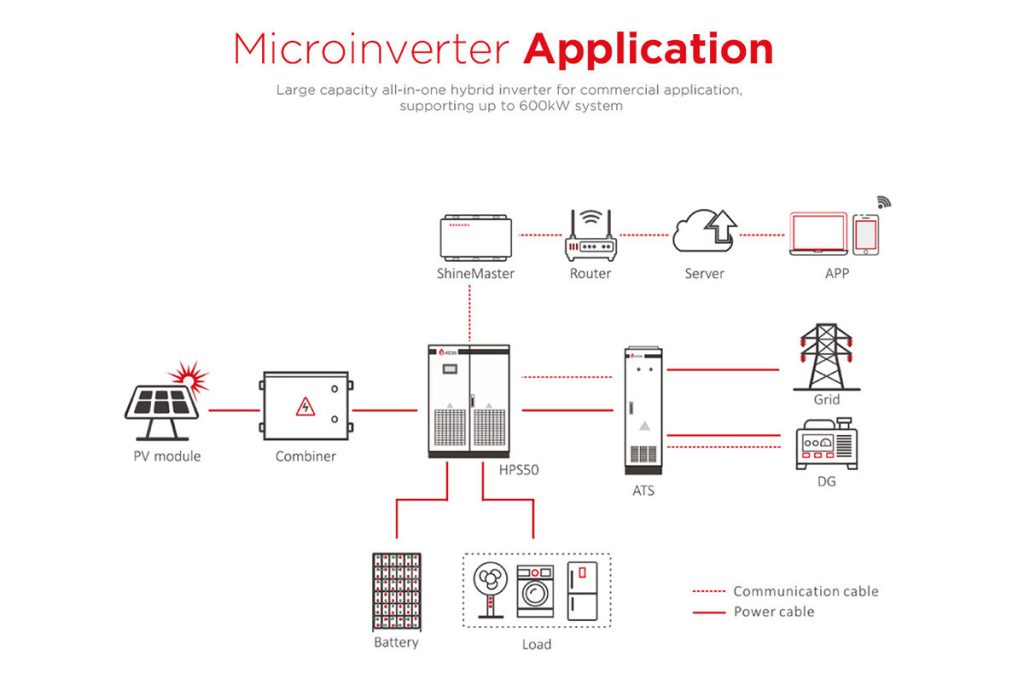
Diagrama
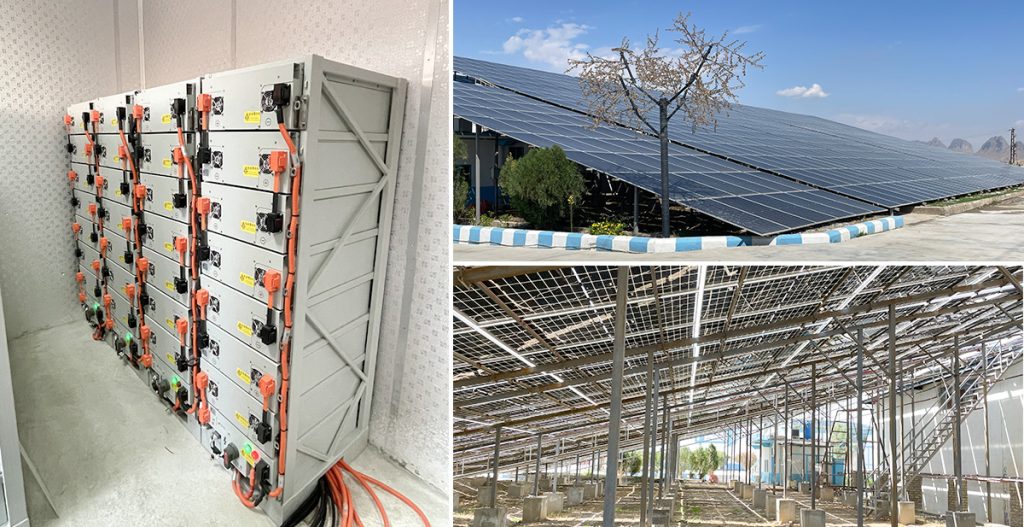
Instalación
PREGUNTAS FRECUENTES
¿Cómo elegir un inversor adecuado?
A la hora de seleccionar un inversor de almacenamiento de energía solar, primero hay que aclarar el escenario de aplicación y la configuración de la potencia de reserva (por ejemplo, si está conectado a la red y si hay un generador); a continuación, hay que combinar las características de la carga para emitir un juicio, no sólo ajustándose a la potencia nominal de la carga, sino también teniendo en cuenta las fluctuaciones instantáneas de potencia y, en última instancia, adaptándose con precisión a las necesidades específicas del proyecto.
¿Cuál es el plazo de amortización de un sistema de almacenamiento de energía solar?
El periodo de amortización suele ser de 3 a 5 años, dependiendo de la irradiancia solar regional, las políticas de precios de la electricidad, la eficiencia del sistema y el tamaño de la inversión inicial. Las regiones con alta irradiación solar y grandes diferencias de precios de la electricidad pueden tener un periodo de amortización más corto.
¿Son seguras las baterías de almacenamiento de energía?
Las baterías de almacenamiento de energía son seguras cuando se diseñan y utilizan correctamente, y los riesgos existentes pueden mitigarse mediante múltiples medidas.
Las medidas de seguridad clave incluyen: 1. 1. Las baterías están fabricadas con materiales resistentes a altas temperaturas y a prueba de fugas, y están equipadas con protección contra sobrecarga y sobredescarga; 2. El sistema está equipado con dispositivos de control de temperatura/tensión y de extinción de incendios para evitar el embalamiento térmico; 3. Durante la instalación se diseñan espacios resistentes al fuego y ventilación a prueba de explosiones; 4. Se realizan inspecciones y mantenimiento diarios regulares para identificar y solucionar fallos.
¿Están disponibles diseños personalizados de sistemas solares?
Sí. Sunpal ofrece soluciones solares comerciales personalizadas basadas en los requisitos de carga del proyecto, el espacio de instalación, el clima local y las necesidades de energía de respaldo.