
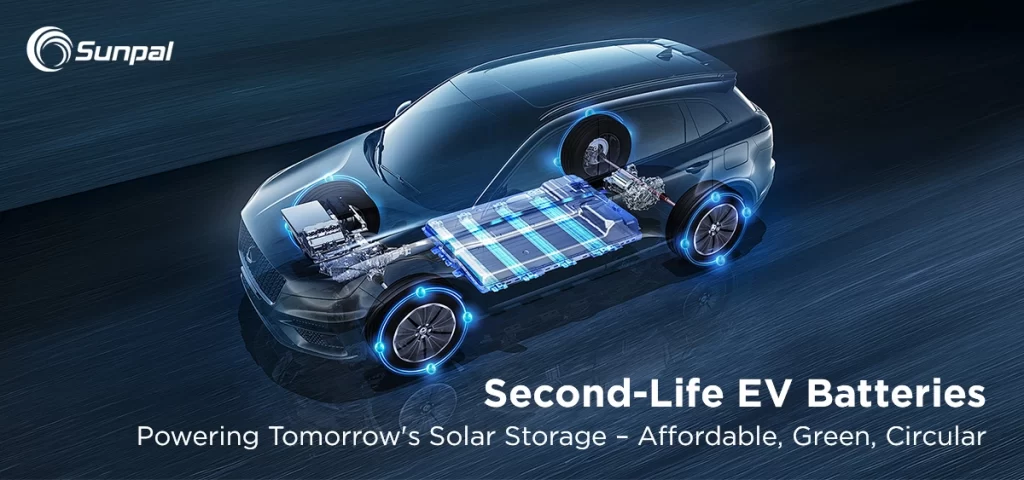
As the electric vehicle boom surges forward, a hidden gem emerges for solar energy enthusiasts: repurposed EV batteries. These "second-life" power packs, retired from roads but brimming with 70-80% capacity, are transforming renewable energy storage. For solar companies and businesses seeking cost-effective solar battery storage, this innovation bridges the gap between intermittent solar power and reliable energy demands, slashing costs while advancing sustainability in solar applications.
Explosive Growth in Second-Life EV Battery Markets for Renewables
The second-life EV battery sector is skyrocketing, driven by the EV retirement wave and the urgent need for affordable renewable energy storage solutions. In 2025, global retired EV battery capacity hit approximately 25-30 GWh annually, with projections soaring to 330-350 GWh by 2030—a staggering CAGR of around 65%. Market value tells an even more compelling story: from about USD 1.27 billion in 2024, it's forecasted to explode to USD 12.42 billion by 2034, fueled by applications in solar battery storage and grid stabilization.
Europe leads with stringent reuse standards like EN 18061:2025, while the US sees grid-scale pilots like B2U Storage integrating thousands of packs for solar farms. In Asia-Pacific, manufacturing hubs are pairing these batteries with vast solar installations, addressing energy volatility in regions like China and India. For solar businesses, this means access to scalable, low-cost storage that enhances photovoltaic system efficiency.
To visualize this trajectory, here's a key market growth chart:
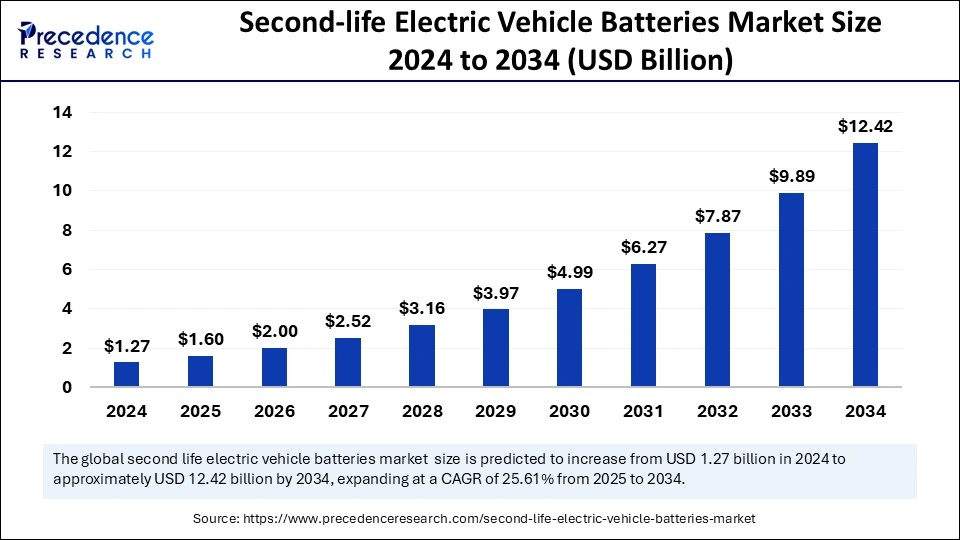
Data analysis reveals regional disparities: North America holds 35% market share due to EV incentives, but Asia's 40% dominance stems from production volumes. By 2030, second-life batteries could supply 20-25% of global stationary storage needs, per UNCTAD estimates, directly benefiting solar installers by reducing dependency on volatile lithium supplies.
Core Benefits: Why Second-Life Batteries Excel in Solar Energy Storage
Repurposed EV batteries offer unmatched advantages for solar battery storage, making them a smart choice for businesses optimizing renewable energy systems. First, cost efficiency stands out: these units cost 30-50% less than new lithium-ion batteries, often landing at $100-180/kWh versus $200-300/kWh for fresh packs. This affordability democratizes solar storage for commercial and industrial (C&I) projects, enabling quicker ROI on photovoltaic setups.
Environmentally, they champion the circular economy in renewables. Extending battery life by 5-15 years cuts GHG emissions by 25-56% and reduces mining demands for rare materials like cobalt and nickel. For solar applications, this means storing excess daytime generation for nighttime use, smoothing intermittency without the carbon footprint of new manufacturing. Studies show each MWh of second-life storage avoids 450 tonnes of CO2 equivalent compared to virgin batteries.
Performance-wise, their lower C-rate requirements align perfectly with stationary solar needs—peak shaving, backup power, and grid services. In hybrid solar + storage systems, they enhance resilience, especially in off-grid or microgrid scenarios. Economic arbitrage is another win: acquire used packs at $30-50/kWh, refurbish with advanced BMS for $50-100/kWh, and deploy competitive solar solutions at $150/kWh overall.
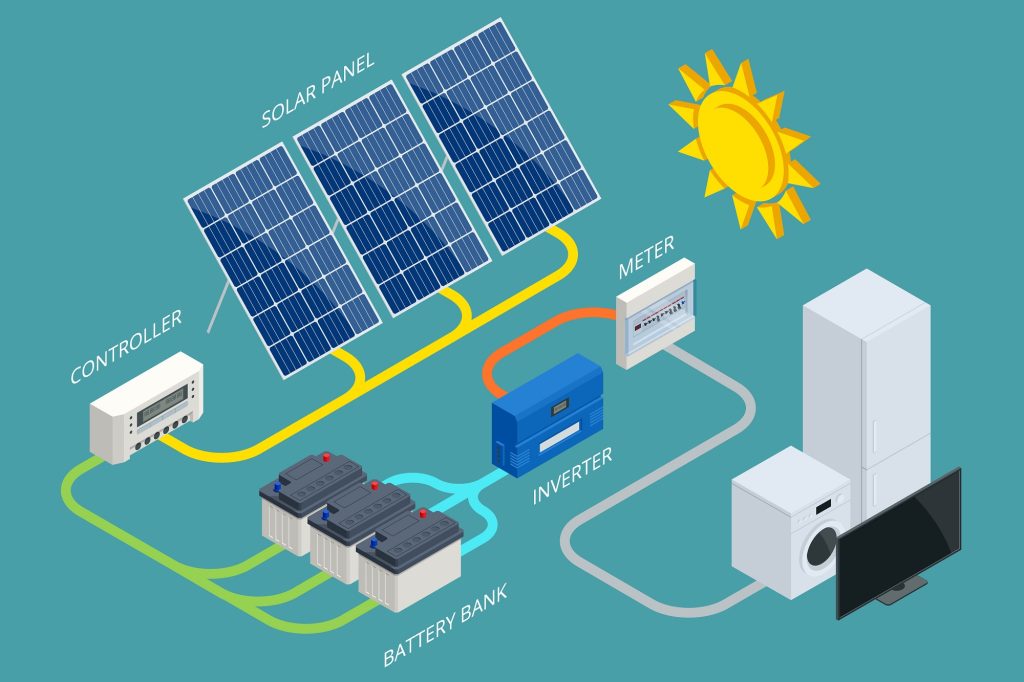
For a clearer picture, consider this diagram illustrating integration in solar energy storage systems:
A quick data breakdown in table form highlights savings:
| Aspect | New Batteries | Second-Life Batteries | Savings Impact on Solar Projects |
| Cost per kWh | $200-300 | $100-180 | 40-70% reduction, faster payback |
| Lifespan Extension | N/A | 5-15 years | Lowers replacement frequency in PV systems |
| CO2 Reduction per MWh | Baseline | 450 tonnes avoided | Boosts green credentials for solar firms |
| Market Adoption Rate | 15% in renewables | Projected 25% by 2030 | Expands affordable solar storage access |
This table underscores how second-life options make solar more viable for businesses facing high energy costs.
Navigating Hurdles: Realistic Challenges in Repurposed EV Batteries for Solar
While promising, integrating second-life EV batteries into solar energy storage isn't without obstacles. Technical variability tops the list: retired packs degrade unevenly due to prior usage, complicating state-of-health (SoH) assessments and requiring costly diagnostics. This can lead to inconsistent performance in solar setups, where reliable cycling is crucial.
Safety and certification pose another barrier. Without uniform standards, repurposers face million-dollar testing per battery type, plus health risks from thermal runaway if not properly managed. Logistics add to the pain: transporting heavy packs incurs high costs, especially with low volumes and long distances. Regulatory gaps, like limited access to historical data and evolving eco-design rules, slow adoption in renewables.
Yet, solutions are emerging. Advanced AI-driven BMS can predict SoH more accurately, reducing testing time. Partnerships between EV makers and solar firms streamline supply chains, while new EU and US incentives for circular batteries ease financial burdens. For solar companies, opting for certified refurbishers mitigates risks, ensuring seamless integration.
To quantify cost implications, here's a comparative chart on new vs. second-life batteries for solar storage:
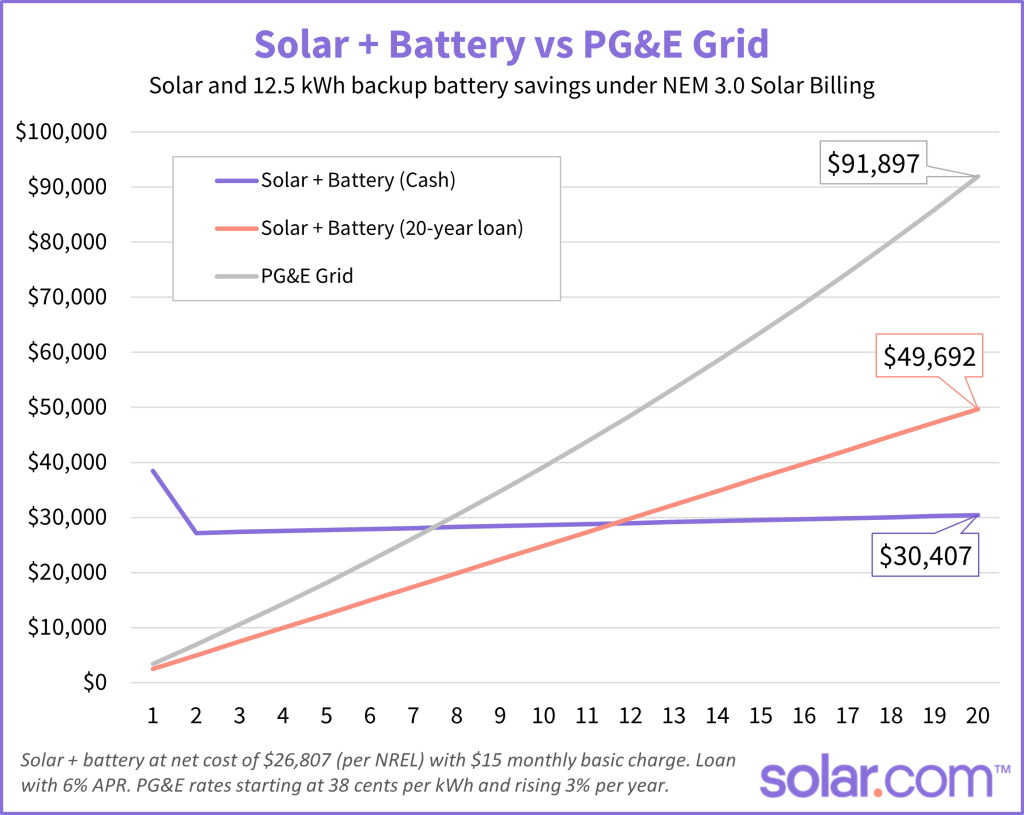
Analysis of this data shows that while initial hurdles inflate repurposing costs by 20-30%, long-term savings in solar projects outweigh them, with ROIs improving as volumes scale.
Sunpal's Vision: Pioneering Reliable Solar Storage with Second-Life Innovations
At Sunpal, a frontrunner in high-efficiency LiFePO4 solar batteries, we view second-life EV batteries as a complementary force in the renewable energy landscape. Our premium systems already deliver unmatched cycle life and safety for solar applications, but the affordability of repurposed packs opens doors for hybrid models—blending new and second-life tech for optimized cost-performance ratios.
We're actively exploring integrations that pair our robust BMS with refurbished EV modules, ensuring solar businesses get dependable, warrantied storage without compromise. This approach not only cuts expenses but aligns with global sustainability goals, helping clients achieve net-zero through efficient photovoltaic storage.
Horizon Ahead: Second-Life Batteries Shaping Solar's Future
Looking to 2026-2030, second-life EV batteries will redefine affordable solar energy storage. Trends point to AI-enhanced management, standardized certifications, and hybrid systems dominating, with market value potentially hitting USD 28-54 billion by 2031. For solar companies, this means broader adoption in C&I sectors, from farms to factories, fostering energy independence amid rising grid costs.
Challenges like supply variability will fade as EV retirements surge, but proactive strategies—rigorous testing and policy support—are key. Ultimately, these batteries empower solar transitions, reducing waste and amplifying renewables' reach.
Ready to harness second-life power for your solar setup? Contact Sunpal today for customized renewable energy storage consultations and explore our LiFePO4 solutions to supercharge your projects.